Lebanese fears of a buffer zone imposed by Israel in the southern waters
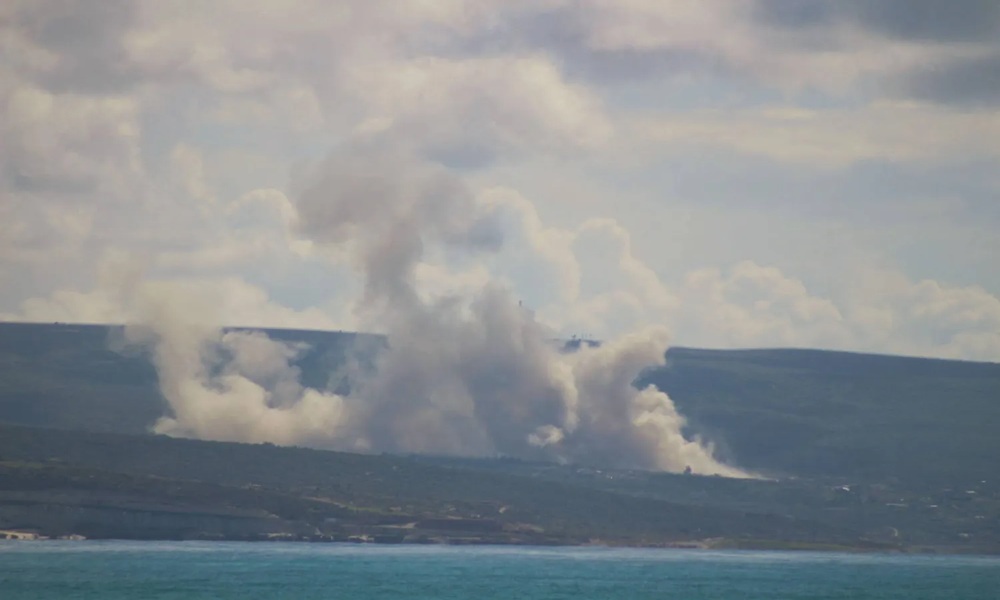
According to the reports, the Lebanese military has expressed concerns over potential Israeli-imposed maritime buffer zones in southern Lebanon. The Israeli military has warned Lebanese fishermen to stay away from areas where its naval forces and active military units are deployed, raising fears that Israel may be planning to expand its buffer zone in the sea, covering parts of Lebanese territorial waters off the southern coast. The Israeli military accused Hezbollah of using civilian fishing boats as cover for its intelligence operations, citing information gathered from interrogations of military personnel active in the maritime border area. The military urged Lebanese residents and local fishermen to exercise maximum caution, avoid entering areas where Israeli forces are deployed, and keep away from active naval military units in the region. According to the reports, there are concerns that these warnings to fishermen could be a precursor to the establishment of a maritime buffer zone off the southern Lebanese coast, similar to the buffer zone Israel has established on land, known as the 'Yellow Line'.
Written by LebaneseInsider with AI assistance from the reports below, each claim attributed to its outlet. Read the original reports for full details.
The southern border and the Blue Line
What is independently established about the incident, and what is attributed to a party?
The UN identified the Blue Line in 2000 to verify Israeli withdrawal from Lebanon. UNIFIL explains that it is a withdrawal line, not an agreed international border.
UNIFIL · Blue Line FAQ ↗Security Council Resolution 1701, adopted in 2006, called for a full cessation of hostilities and strengthened UNIFIL’s mandate. The resolution is a reference for understanding reports about hostilities and deployments in southern Lebanon; it does not by itself verify a particular incident.
UN Security Council · 2006 ↗
Sources checked: 2026-11-04
Reporting timeline
2 outletsReports grouped around the same specific event, ordered by original publication time. Source headlines below retain their original language. Coverage count is not independent confirmation.