In detail: How has the state’s approach to “the party” changed?
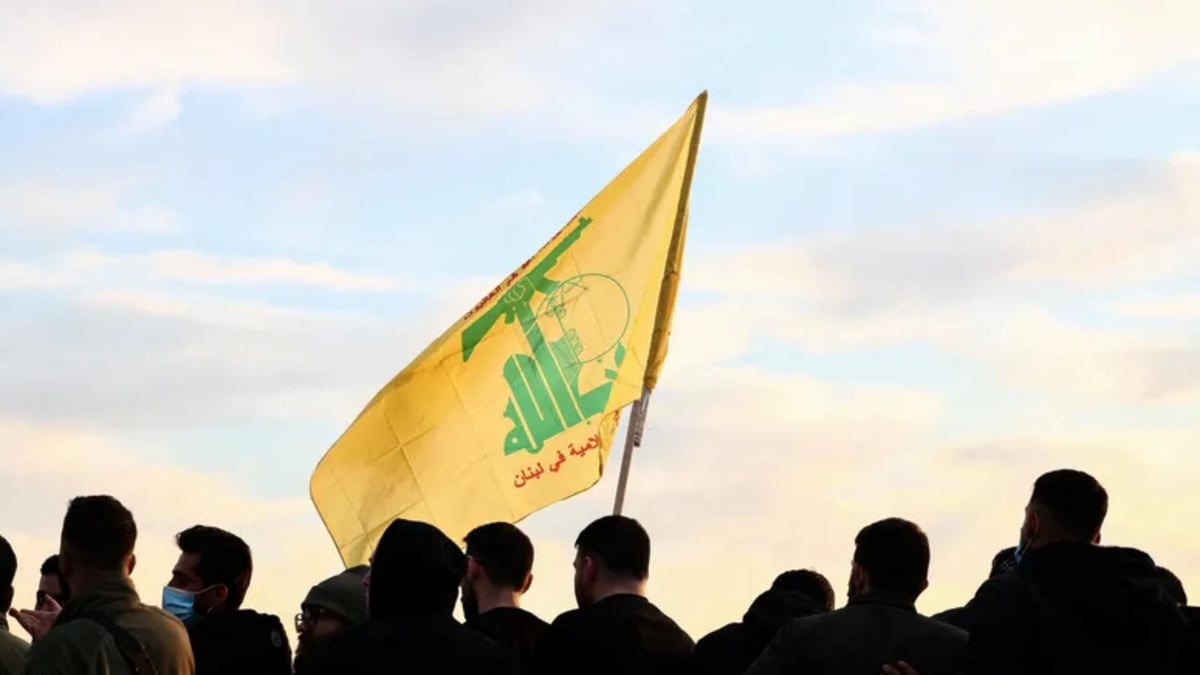
According to MTV Lebanon, the nature of the Lebanese state's interaction with Hezbollah is changing after decades of political and institutional coexistence with its influence and weaponry. This shift is occurring amid military and regional transformations that have re-posed the question of centralizing power in the hands of legitimate institutions. The report outlines the transition from previous compromises in the relationship to current efforts to impose oversight and accountability. In the past, Hezbollah's influence was evident in highly sensitive files, such as customs and security matters. For instance, in May 2008, a government decision to remove the head of security at Beirut International Airport, alongside a decision related to Hezbollah's communications network, led to armed confrontations, highlighting the difficulty of enforcing executive branch decisions. Similar accusations of unregulated cargo movements through the port and land borders were also reported. In the judiciary, the threats against Hezbollah's liaison officer Wafiq Safa against the Special Tribunal Judge Tarik Bitar in 2021 brought to light the pressure on investigators. In the current phase, authorities speak of intensified inspection and monitoring procedures at the airport, port, and land borders, as well as investigations into weapons and explosives cases, including the case of Zahr al-Durrah in 2026 and the Bshar case. This is accompanied by a more direct presidential rhetoric and government decisions to centralize weapons. The report also mentions the impact of changes in Damascus on Hezbollah's communication and supply channels. However, the expansion of these measures does not necessarily mean the end of previous influence or the complete state control, but rather puts the state's ability to apply uniform standards to the test. Fares Saad, a former MP, refers to the 1989 Taif Agreement, which stipulated the state's sovereignty and the disarmament of militias. He notes that the Israeli occupation of the south and Syrian President Hafez al-Assad's influence, with American approval, led to Hezbollah's elevation from a militia to a resistance force, allowing it to retain its weapons while others surrendered theirs. Saad suggests that the period of coexistence began under Syrian influence and continued under Iranian influence after the 2005 withdrawal of the Syrian army.
Written by LebaneseInsider with AI assistance from the reports below, each claim attributed to its outlet. Read the original reports for full details.
Reporting timeline
2 outletsReports grouped around the same specific event, ordered by original publication time. Source headlines below retain their original language. Coverage count is not independent confirmation.