Bank Strike Not Innocent... Suspicions of Coordination with Banque du Liban

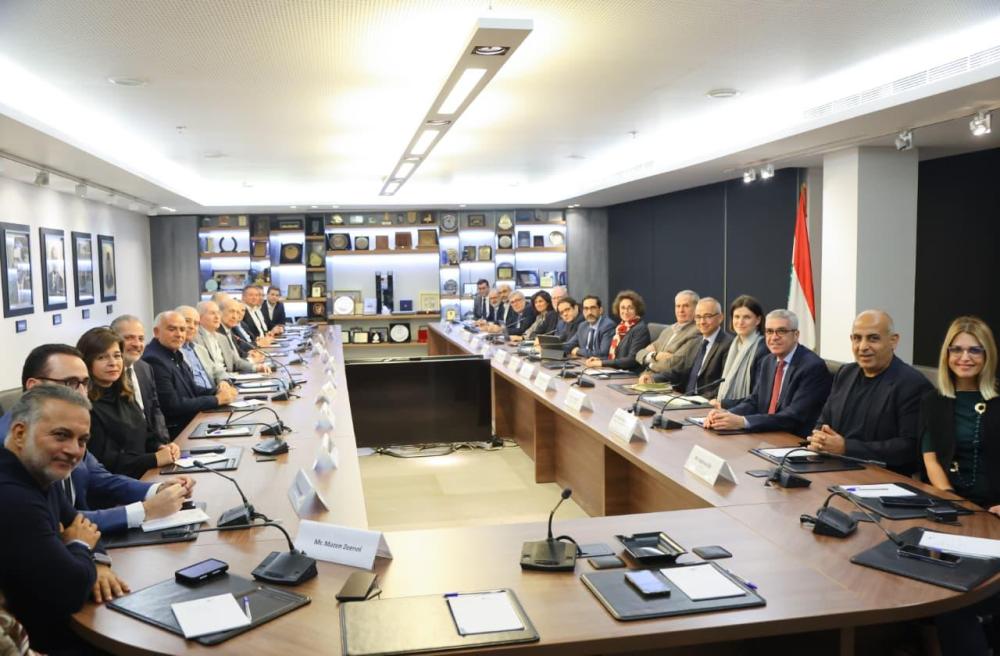
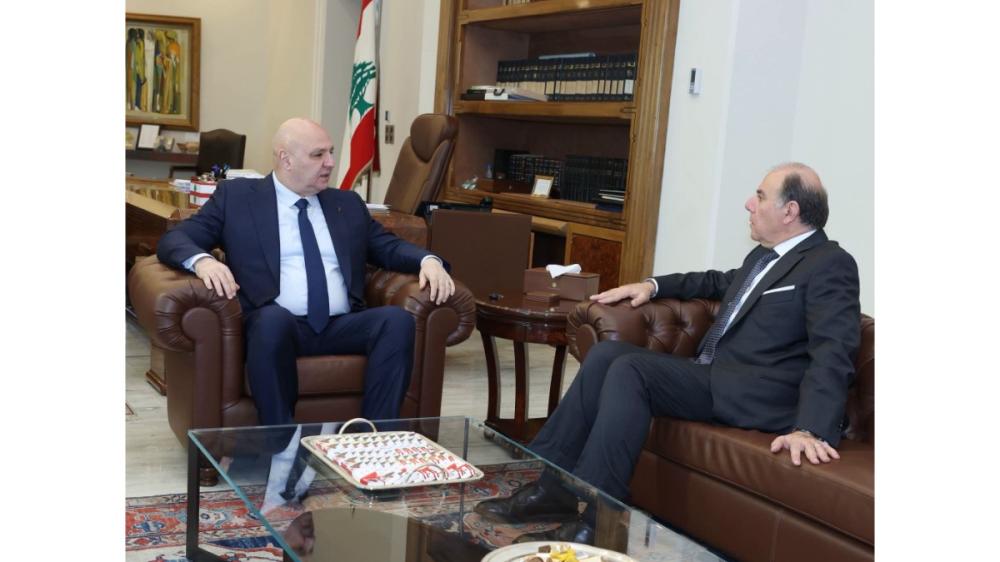
In the ongoing dispute between banks and the Ministry of Finance over taxes on profits from the revaluation of Eurobonds, there are concerns about the Central Bank of Lebanon's (مصرف لبنان) stance on these strikes and the state's ability to compel banks to pay the taxes, according to Lebanon Debate. Foead Dibs, a lawyer and member of the Depositors' Association, stated that while the right to strike exists for all, the Banking Law grants the Central Bank the authority to determine if banks can strike. Dibs suggested there might be coordination between the Central Bank and banks to execute these strikes, as the Central Bank has the power to prevent bank strikes. Regarding the tax dispute, Dibs noted that the value of Eurobonds with interest is approximately $50 billion. He explained that with the rise in the exchange rate, the Ministry of Finance deemed the value of these bonds to have increased, leading to an increase in banks' capital and thus the imposition of taxes. However, banks argue that these profits are hypothetical and not actually realized, while financial engineering has also generated profits for banks, which are not accounted for in the same way. Dibs criticized the Ministry of Finance's contradictory approach to the banking sector, stating that it considers banks to be insolvent on one hand, while on the other, it imposes taxes on them due to perceived profits. He predicted that banks will not pay the taxes, and that the Ministry of Finance will ultimately yield to their will.
Written by LebaneseInsider with AI assistance from the reports below, each claim attributed to its outlet. Read the original reports for full details.
Reporting timeline
2 outletsReports grouped around the same specific event, ordered by original publication time. Source headlines below retain their original language. Coverage count is not independent confirmation.