After “UNIFIL”: Washington opens the door to an international decision, and Lebanon insists on its conditions
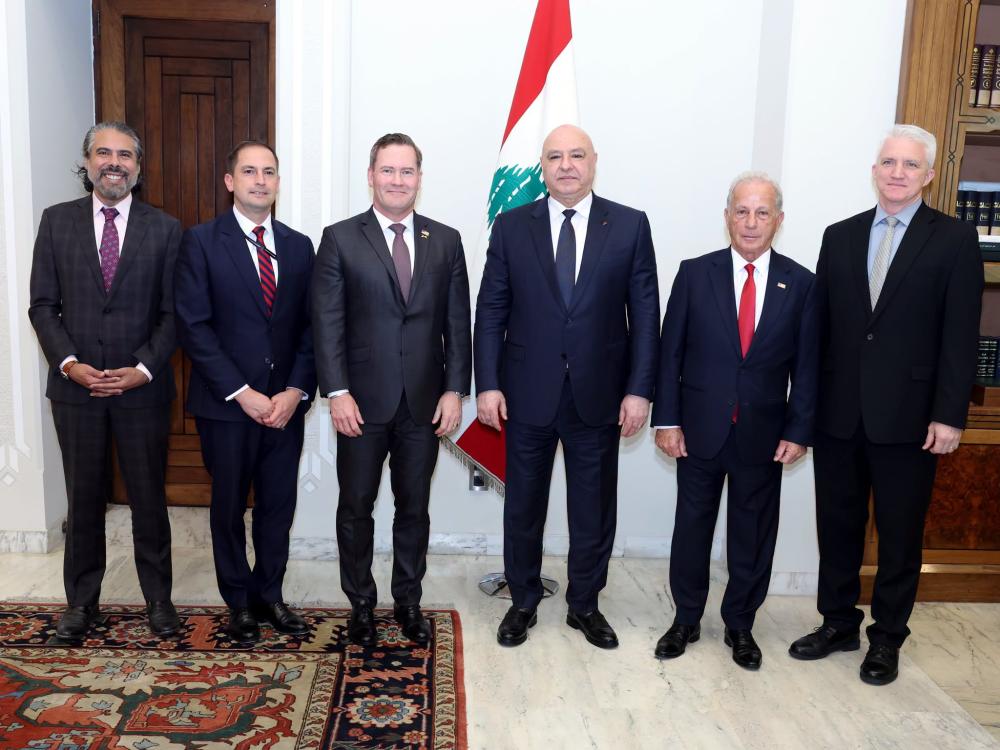
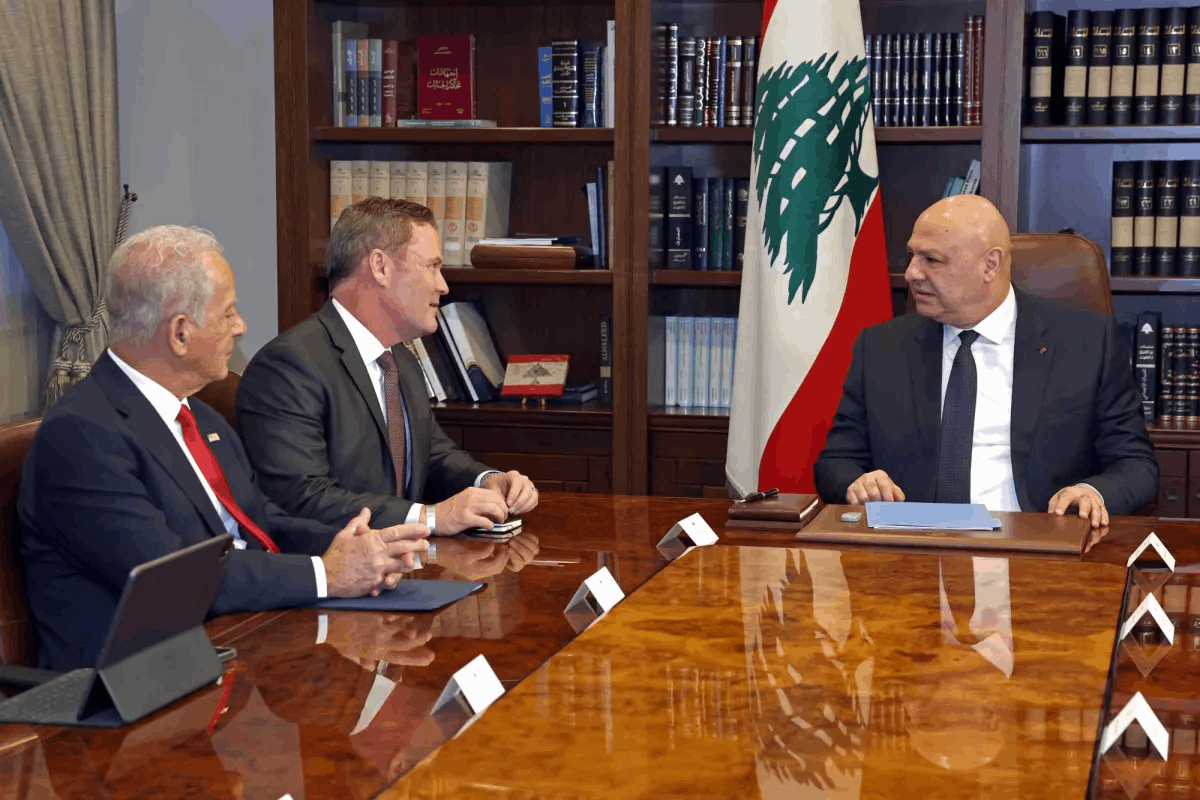
According to Nidaa Al Watan, the visit of the U.S. ambassador to the United Nations, Mike Waltz, to Lebanon did not bring a fully-formed American proposal for the future of the southern border region. However, it opened the door to a new international approach that could serve as a basis for reorganizing the security, military, and political situation along the border after the end of UNIFIL's mission. The meetings Waltz held with Lebanese officials, including President Joseph Aoun, Speaker Nabih Berri, and Prime Minister Nawaf Salam, resulted in a consensus on three key Lebanese positions that will form the basis of any future arrangements. Waltz's approach was more investigative, asking questions and listening to the Lebanese positions rather than presenting a specific American proposal or ready-made solutions. This investigative nature of the visit aimed to gain a direct understanding of the Lebanese stance and the potential for international cooperation, without diminishing its importance as a preparatory step for future negotiations in the Security Council. On the other hand, the French effort to prepare a new Security Council resolution appears to have gained more traction, increasing the chances of reaching a consensus. The U.S. is open to any new resolution that can combine Security Council decisions as the legal framework for the border situation with the trilateral framework as a practical process for addressing the issues at hand. Lebanon successfully established three key points of agreement with Waltz, the first being the commitment to UN Security Council Resolution 1701 as the reference that cannot be abandoned upon the end of UNIFIL's mission. The second point is the rejection of any security or military vacuum along the southern border, emphasizing the need to find a solution. The third point involves maintaining the legal and political framework established by Resolution 1701, which is crucial for the U.S. interests.
Written by LebaneseInsider with AI assistance from the reports below, each claim attributed to its outlet. Read the original reports for full details.
What came before this story
Our sources do not document what preceded this story.
What the sources say led here
- According to the reports, the U.S. and France are seeking to establish a new international framework for the southern Lebanon region, which could lead to the renewal of the UNIFIL mandate. Nidaa Al Watan ↗ · CH23 ↗
People in this story
- Mike Waltz
- U.S. Ambassador to the United Nations, involved in discussions on the post-UNIFIL phase. MTV sources: US Ambassador to the UN Mike Waltz’s visit is not limited to discussions on the post-UNIFIL phase; it also aims to push for turning the proposed framework into an international resolution · Aoun and Waltz Discuss Lebanon’s Future After UNIFIL · Berri meets US Ambassador to UN Mike Waltz
Places in this story
Markers locate each place approximately, not the exact site of the event. Lebanon ↗ · © OpenStreetMap contributors
Prepared automatically from the cited reports, earlier stories and references, and may contain errors: check the sources. Wikipedia text is available under CC BY-SA.
Photos from the coverage


Reporting timeline
5 outletsReports grouped around the same specific event, ordered by original publication time. Source headlines below retain their original language. Coverage count is not independent confirmation.
- Nidaa Al Watanما بعد "اليونيفيل": واشنطن تفتح باب القرار الدولي ولبنان يتمسّك بشروطه ↗
- MTV Lebanonما بعد "اليونيفيل": واشنطن تفتح باب القرار الدولي ولبنان يتمسّك بشروطه ↗
- CH232 reportsما بعد "اليونيفيل": واشنطن تفتح باب القرار الدولي ولبنان يتمسّك بشروطه ↗
Show 1 more from CH23
- Saida Onlineما بعد "اليونيفيل": واشنطن تفتح باب القرار الدولي ولبنان يتمسّك بشروطه ↗
- Kataebما بعد "اليونيفيل": واشنطن تفتح باب القرار الدولي ولبنان يتمسّك بشروطه ↗